Ronovan Writes #Weekly #Haiku #Poetry Prompt #Challenge 480. LOVE and Empty.

I know what the first thing some will think when seeing these words, but Love and Empty can be positive things.

Empty your heart and mind of the impurities of the world and they will be filled with love. Empty your love into others.

Useful Links for Synonyms at Thesaurus.com:

LOVE

Empty

To know how many syllables in a particular word try HowManySyllables.com.


How to Write Haiku in English. And how to do a Pingback.

The Guidelines:

  1. Take the two words and write a Haiku. I use Haiku in English (the link shows you how) as my style, which is 5 syllables for the first line, 7 for the second, and 5 for the third, but you can use what you like.
    • The link above has links on how to write Haibun and Tanka. You can also do the 3/5/3 form if you like instead of the 5/7/5 that I usually use. Write, share, and have fun. For syllable help,
    • For syllables for each word, and different definitions, you use the definition that works for you Haiku. You can also use SYNONYMS. Go to Thesaurus.com for synonym help.
  2. Copy the link of your finished haiku URL and paste in a comment below so we can all go and visit your Haiku.
    • You can do a pingback. What’s a pingback? Place the URL from the address bar up top from this post as a link within your post. Your inclusion of the link encourages others to try the challenge, be creative, and join a community to find friends and more followers (hopefully). I honestly gain nothing with more people visiting the post. I don’t have ads running that generates revenue by your visit or by clicks on whatever WordPress has put up.
    • Click HERE for a detailed post on PINGBACKS.
  3. If you like, copy the image in this post and place it within their post, just to show the Haiku is part of this challenge.
      • I am not saying you need or even should, but if you would like to do so then go ahead.


Enter your email address to subscribe to this blog and receive notifications of new posts by email.

Haiku Challenge

Ronovan Writes #Weekly #Haiku #Poetry Prompt #Challenge 479. TRIP and Out.

OOoooOOooo a convertible, which I’ve never had, or a series of life situations.

Useful Links for Synonyms at Thesaurus.com:

TRIP

Out

To know how many syllables in a particular word try HowManySyllables.com.


How to Write Haiku in English. And how to do a Pingback.

The Guidelines:

  1. Take the two words and write a Haiku. I use Haiku in English (the link shows you how) as my style, which is 5 syllables for the first line, 7 for the second, and 5 for the third, but you can use what you like.
    • The link above has links on how to write Haibun and Tanka. You can also do the 3/5/3 form if you like instead of the 5/7/5 that I usually use. Write, share, and have fun. For syllable help,
    • For syllables for each word, and different definitions, you use the definition that works for you Haiku. You can also use SYNONYMS. Go to Thesaurus.com for synonym help.
  2. Copy the link of your finished haiku URL and paste in a comment below so we can all go and visit your Haiku.
    • You can do a pingback. What’s a pingback? Place the URL from the address bar up top from this post as a link within your post. Your inclusion of the link encourages others to try the challenge, be creative, and join a community to find friends and more followers (hopefully). I honestly gain nothing with more people visiting the post. I don’t have ads running that generates revenue by your visit or by clicks on whatever WordPress has put up.
    • Click HERE for a detailed post on PINGBACKS.
  3. If you like, copy the image in this post and place it within their post, just to show the Haiku is part of this challenge.
      • I am not saying you need or even should, but if you would like to do so then go ahead.


Enter your email address to subscribe to this blog and receive notifications of new posts by email.

Haiku Challenge

Ronovan Writes #Weekly #Haiku #Poetry Prompt #Challenge 478. TOP and Down.

OOoooOOooo a convertible, which I’ve never had, or a series of life situations.

Useful Links for Synonyms at Thesaurus.com:

TOP

Down

To know how many syllables in a particular word try HowManySyllables.com.


How to Write Haiku in English. And how to do a Pingback.

The Guidelines:

  1. Take the two words and write a Haiku. I use Haiku in English (the link shows you how) as my style, which is 5 syllables for the first line, 7 for the second, and 5 for the third, but you can use what you like.
    • The link above has links on how to write Haibun and Tanka. You can also do the 3/5/3 form if you like instead of the 5/7/5 that I usually use. Write, share, and have fun. For syllable help,
    • For syllables for each word, and different definitions, you use the definition that works for you Haiku. You can also use SYNONYMS. Go to Thesaurus.com for synonym help.
  2. Copy the link of your finished haiku URL and paste in a comment below so we can all go and visit your Haiku.
    • You can do a pingback. What’s a pingback? Place the URL from the address bar up top from this post as a link within your post. Your inclusion of the link encourages others to try the challenge, be creative, and join a community to find friends and more followers (hopefully). I honestly gain nothing with more people visiting the post. I don’t have ads running that generates revenue by your visit or by clicks on whatever WordPress has put up.
    • Click HERE for a detailed post on PINGBACKS.
  3. If you like, copy the image in this post and place it within their post, just to show the Haiku is part of this challenge.
      • I am not saying you need or even should, but if you would like to do so then go ahead.


Enter your email address to subscribe to this blog and receive notifications of new posts by email.

Haiku Challenge

Ronovan Writes #Weekly #Haiku #Poetry Prompt #Challenge 477. QUICK and Pick.

Useful Links for Synonyms at Thesaurus.com:

QUICK

Pick

To know how many syllables in a particular word try HowManySyllables.com.


How to Write Haiku in English. And how to do a Pingback.

The Guidelines:

  1. Take the two words and write a Haiku. I use Haiku in English (the link shows you how) as my style, which is 5 syllables for the first line, 7 for the second, and 5 for the third, but you can use what you like.
    • The link above has links on how to write Haibun and Tanka. You can also do the 3/5/3 form if you like instead of the 5/7/5 that I usually use. Write, share, and have fun. For syllable help,
    • For syllables for each word, and different definitions, you use the definition that works for you Haiku. You can also use SYNONYMS. Go to Thesaurus.com for synonym help.
  2. Copy the link of your finished haiku URL and paste in a comment below so we can all go and visit your Haiku.
    • You can do a pingback. What’s a pingback? Place the URL from the address bar up top from this post as a link within your post. Your inclusion of the link encourages others to try the challenge, be creative, and join a community to find friends and more followers (hopefully). I honestly gain nothing with more people visiting the post. I don’t have ads running that generates revenue by your visit or by clicks on whatever WordPress has put up.
    • Click HERE for a detailed post on PINGBACKS.
  3. If you like, copy the image in this post and place it within their post, just to show the Haiku is part of this challenge.
      • I am not saying you need or even should, but if you would like to do so then go ahead.


Enter your email address to subscribe to this blog and receive notifications of new posts by email.

Haiku Challenge

Ronovan Writes #Weekly #Haiku #Poetry Prompt #Challenge 476.BARBS and Praise.

What is in a barb?

Surprise, a whole lot of praise,

when one attacks hope.


Useful Links for Synonyms at Thesaurus.com:

BARBS

Praise

To know how many syllables in a particular word try HowManySyllables.com.


How to Write Haiku in English. And how to do a Pingback.

The Guidelines:

  1. Take the two words and write a Haiku. I use Haiku in English (the link shows you how) as my style, which is 5 syllables for the first line, 7 for the second, and 5 for the third, but you can use what you like.
    • The link above has links on how to write Haibun and Tanka. You can also do the 3/5/3 form if you like instead of the 5/7/5 that I usually use. Write, share, and have fun. For syllable help,
    • For syllables for each word, and different definitions, you use the definition that works for you Haiku. You can also use SYNONYMS. Go to Thesaurus.com for synonym help.
  2. Copy the link of your finished haiku URL and paste in a comment below so we can all go and visit your Haiku.
    • You can do a pingback. What’s a pingback? Place the URL from the address bar up top from this post as a link within your post. Your inclusion of the link encourages others to try the challenge, be creative, and join a community to find friends and more followers (hopefully). I honestly gain nothing with more people visiting the post. I don’t have ads running that generates revenue by your visit or by clicks on whatever WordPress has put up.
    • Click HERE for a detailed post on PINGBACKS.
  3. If you like, copy the image in this post and place it within their post, just to show the Haiku is part of this challenge.
      • I am not saying you need or even should, but if you would like to do so then go ahead.


Enter your email address to subscribe to this blog and receive notifications of new posts by email.

Haiku Challenge

Ronovan Writes #Weekly #Haiku #Poetry Prompt #Challenge 475 ARROW and Fling.

Useful Links for Synonyms at Thesaurus.com:

ARROW

Fling

To know how many syllables in a particular word try HowManySyllables.com.


How to Write Haiku in English. And how to do a Pingback.

The Guidelines:

  1. Take the two words and write a Haiku. I use Haiku in English (the link shows you how) as my style, which is 5 syllables for the first line, 7 for the second, and 5 for the third, but you can use what you like.
    • The link above has links on how to write Haibun and Tanka. You can also do the 3/5/3 form if you like instead of the 5/7/5 that I usually use. Write, share, and have fun. For syllable help,
    • For syllables for each word, and different definitions, you use the definition that works for you Haiku. You can also use SYNONYMS. Go to Thesaurus.com for synonym help.
  2. Copy the link of your finished haiku URL and paste in a comment below so we can all go and visit your Haiku.
    • You can do a pingback. What’s a pingback? Place the URL from the address bar up top from this post as a link within your post. Your inclusion of the link encourages others to try the challenge, be creative, and join a community to find friends and more followers (hopefully). I honestly gain nothing with more people visiting the post. I don’t have ads running that generates revenue by your visit or by clicks on whatever WordPress has put up.
    • Click HERE for a detailed post on PINGBACKS.
  3. If you like, copy the image in this post and place it within their post, just to show the Haiku is part of this challenge.
      • I am not saying you need or even should, but if you would like to do so then go ahead.


Enter your email address to subscribe to this blog and receive notifications of new posts by email.

Haiku Challenge

Ronovan Writes #Weekly #Haiku #Poetry Prompt #Challenge 474 MELT and Summer.

Sooo, for some reason a scheduled challenge didn’t go out at the scheduled time. Good thing I check on it at times throughout the day.

Useful Links for Synonyms at Thesaurus.com:

MELT

Summer

To know how many syllables in a particular word try HowManySyllables.com.


How to Write Haiku in English. And how to do a Pingback.

The Guidelines:

  1. Take the two words and write a Haiku. I use Haiku in English (the link shows you how) as my style, which is 5 syllables for the first line, 7 for the second, and 5 for the third, but you can use what you like.
    • The link above has links on how to write Haibun and Tanka. You can also do the 3/5/3 form if you like instead of the 5/7/5 that I usually use. Write, share, and have fun. For syllable help,
    • For syllables for each word, and different definitions, you use the definition that works for you Haiku. You can also use SYNONYMS. Go to Thesaurus.com for synonym help.
  2. Copy the link of your finished haiku URL and paste in a comment below so we can all go and visit your Haiku.
    • You can do a pingback. What’s a pingback? Place the URL from the address bar up top from this post as a link within your post. Your inclusion of the link encourages others to try the challenge, be creative, and join a community to find friends and more followers (hopefully). I honestly gain nothing with more people visiting the post. I don’t have ads running that generates revenue by your visit or by clicks on whatever WordPress has put up.
    • Click HERE for a detailed post on PINGBACKS.
  3. If you like, copy the image in this post and place it within their post, just to show the Haiku is part of this challenge.
      • I am not saying you need or even should, but if you would like to do so then go ahead.


Enter your email address to subscribe to this blog and receive notifications of new posts by email.

Haiku Challenge

Ronovan Writes #Weekly #Haiku #Poetry Prompt #Challenge 473 BEING and State.

Sooo, for some reason a scheduled challenge didn’t go out at the scheduled time. Good thing I check on it at times throughout the day.

Useful Links for Synonyms at Thesaurus.com:

BEING

State

To know how many syllables in a particular word try HowManySyllables.com.


How to Write Haiku in English. And how to do a Pingback.

The Guidelines:

  1. Take the two words and write a Haiku. I use Haiku in English (the link shows you how) as my style, which is 5 syllables for the first line, 7 for the second, and 5 for the third, but you can use what you like.
    • The link above has links on how to write Haibun and Tanka. You can also do the 3/5/3 form if you like instead of the 5/7/5 that I usually use. Write, share, and have fun. For syllable help,
    • For syllables for each word, and different definitions, you use the definition that works for you Haiku. You can also use SYNONYMS. Go to Thesaurus.com for synonym help.
  2. Copy the link of your finished haiku URL and paste in a comment below so we can all go and visit your Haiku.
    • You can do a pingback. What’s a pingback? Place the URL from the address bar up top from this post as a link within your post. Your inclusion of the link encourages others to try the challenge, be creative, and join a community to find friends and more followers (hopefully). I honestly gain nothing with more people visiting the post. I don’t have ads running that generates revenue by your visit or by clicks on whatever WordPress has put up.
    • Click HERE for a detailed post on PINGBACKS.
  3. If you like, copy the image in this post and place it within their post, just to show the Haiku is part of this challenge.
      • I am not saying you need or even should, but if you would like to do so then go ahead.


Enter your email address to subscribe to this blog and receive notifications of new posts by email.

Haiku Challenge

Ronovan Writes #Weekly #Haiku #Poetry Prompt #Challenge 472 LIFE and Paint.

Sooo, for some reason a scheduled challenge didn’t go out at the scheduled time. Good thing I check on it at times throughout the day.

Useful Links for Synonyms at Thesaurus.com:

LIFE

Paint

To know how many syllables in a particular word try HowManySyllables.com.


How to Write Haiku in English. And how to do a Pingback.

The Guidelines:

  1. Take the two words and write a Haiku. I use Haiku in English (the link shows you how) as my style, which is 5 syllables for the first line, 7 for the second, and 5 for the third, but you can use what you like.
    • The link above has links on how to write Haibun and Tanka. You can also do the 3/5/3 form if you like instead of the 5/7/5 that I usually use. Write, share, and have fun. For syllable help,
    • For syllables for each word, and different definitions, you use the definition that works for you Haiku. You can also use SYNONYMS. Go to Thesaurus.com for synonym help.
  2. Copy the link of your finished haiku URL and paste in a comment below so we can all go and visit your Haiku.
    • You can do a pingback. What’s a pingback? Place the URL from the address bar up top from this post as a link within your post. Your inclusion of the link encourages others to try the challenge, be creative, and join a community to find friends and more followers (hopefully). I honestly gain nothing with more people visiting the post. I don’t have ads running that generates revenue by your visit or by clicks on whatever WordPress has put up.
    • Click HERE for a detailed post on PINGBACKS.
  3. If you like, copy the image in this post and place it within their post, just to show the Haiku is part of this challenge.
      • I am not saying you need or even should, but if you would like to do so then go ahead.


Enter your email address to subscribe to this blog and receive notifications of new posts by email.

Haiku Challenge

Ronovan Writes #Weekly #Haiku #Poetry Prompt #Challenge 471 GHOST and Heat.

Sooo, for some reason a scheduled challenge didn’t go out at the scheduled time. Good thing I check on it at times throughout the day.

Useful Links for Synonyms at Thesaurus.com:

GHOST

Heat

To know how many syllables in a particular word try HowManySyllables.com.


How to Write Haiku in English. And how to do a Pingback.

The Guidelines:

  1. Take the two words and write a Haiku. I use Haiku in English (the link shows you how) as my style, which is 5 syllables for the first line, 7 for the second, and 5 for the third, but you can use what you like.
    • The link above has links on how to write Haibun and Tanka. You can also do the 3/5/3 form if you like instead of the 5/7/5 that I usually use. Write, share, and have fun. For syllable help,
    • For syllables for each word, and different definitions, you use the definition that works for you Haiku. You can also use SYNONYMS. Go to Thesaurus.com for synonym help.
  2. Copy the link of your finished haiku URL and paste in a comment below so we can all go and visit your Haiku.
    • You can do a pingback. What’s a pingback? Place the URL from the address bar up top from this post as a link within your post. Your inclusion of the link encourages others to try the challenge, be creative, and join a community to find friends and more followers (hopefully). I honestly gain nothing with more people visiting the post. I don’t have ads running that generates revenue by your visit or by clicks on whatever WordPress has put up.
    • Click HERE for a detailed post on PINGBACKS.
  3. If you like, copy the image in this post and place it within their post, just to show the Haiku is part of this challenge.
      • I am not saying you need or even should, but if you would like to do so then go ahead.


Enter your email address to subscribe to this blog and receive notifications of new posts by email.

Haiku Challenge

Ronovan Writes #Weekly #Haiku #Poetry Prompt #Challenge 470 MELON and Water.

Okay, yeah, I’m eating watermelon as I create the challenges this week.

Useful Links for Synonyms at Thesaurus.com:

MELON

Water

To know how many syllables in a particular word try HowManySyllables.com.


How to Write Haiku in English. And how to do a Pingback.

The Guidelines:

  1. Take the two words and write a Haiku. I use Haiku in English (the link shows you how) as my style, which is 5 syllables for the first line, 7 for the second, and 5 for the third, but you can use what you like.
    • The link above has links on how to write Haibun and Tanka. You can also do the 3/5/3 form if you like instead of the 5/7/5 that I usually use. Write, share, and have fun. For syllable help,
    • For syllables for each word, and different definitions, you use the definition that works for you Haiku. You can also use SYNONYMS. Go to Thesaurus.com for synonym help.
  2. Copy the link of your finished haiku URL and paste in a comment below so we can all go and visit your Haiku.
    • You can do a pingback. What’s a pingback? Place the URL from the address bar up top from this post as a link within your post. Your inclusion of the link encourages others to try the challenge, be creative, and join a community to find friends and more followers (hopefully). I honestly gain nothing with more people visiting the post. I don’t have ads running that generates revenue by your visit or by clicks on whatever WordPress has put up.
    • Click HERE for a detailed post on PINGBACKS.
  3. If you like, copy the image in this post and place it within their post, just to show the Haiku is part of this challenge.
      • I am not saying you need or even should, but if you would like to do so then go ahead.


Enter your email address to subscribe to this blog and receive notifications of new posts by email.

Haiku Challenge

Ronovan Writes #Weekly #Haiku #Poetry Prompt #Challenge 469 SWEET and Tart.

Useful Links for Synonyms at Thesaurus.com:

SWEET

Tart

To know how many syllables in a particular word try HowManySyllables.com.


How to Write Haiku in English. And how to do a Pingback.

The Guidelines:

  1. Take the two words and write a Haiku. I use Haiku in English (the link shows you how) as my style, which is 5 syllables for the first line, 7 for the second, and 5 for the third, but you can use what you like.
    • The link above has links on how to write Haibun and Tanka. You can also do the 3/5/3 form if you like instead of the 5/7/5 that I usually use. Write, share, and have fun. For syllable help,
    • For syllables for each word, and different definitions, you use the definition that works for you Haiku. You can also use SYNONYMS. Go to Thesaurus.com for synonym help.
  2. Copy the link of your finished haiku URL and paste in a comment below so we can all go and visit your Haiku.
    • You can do a pingback. What’s a pingback? Place the URL from the address bar up top from this post as a link within your post. Your inclusion of the link encourages others to try the challenge, be creative, and join a community to find friends and more followers (hopefully). I honestly gain nothing with more people visiting the post. I don’t have ads running that generates revenue by your visit or by clicks on whatever WordPress has put up.
    • Click HERE for a detailed post on PINGBACKS.
  3. If you like, copy the image in this post and place it within their post, just to show the Haiku is part of this challenge.
      • I am not saying you need or even should, but if you would like to do so then go ahead.


Enter your email address to subscribe to this blog and receive notifications of new posts by email.

Haiku Challenge

Ronovan Writes #Weekly #Haiku #Poetry Prompt #Challenge 468 HABIT and Want.

Useful Links for Synonyms at Thesaurus.com:

HABIT

Want

To know how many syllables in a particular word try HowManySyllables.com.


How to Write Haiku in English. And how to do a Pingback.

The Guidelines:

  1. Take the two words and write a Haiku. I use Haiku in English (the link shows you how) as my style, which is 5 syllables for the first line, 7 for the second, and 5 for the third, but you can use what you like.
    • The link above has links on how to write Haibun and Tanka. You can also do the 3/5/3 form if you like instead of the 5/7/5 that I usually use. Write, share, and have fun. For syllable help,
    • For syllables for each word, and different definitions, you use the definition that works for you Haiku. You can also use SYNONYMS. Go to Thesaurus.com for synonym help.
  2. Copy the link of your finished haiku URL and paste in a comment below so we can all go and visit your Haiku.
    • You can do a pingback. What’s a pingback? Place the URL from the address bar up top from this post as a link within your post. Your inclusion of the link encourages others to try the challenge, be creative, and join a community to find friends and more followers (hopefully). I honestly gain nothing with more people visiting the post. I don’t have ads running that generates revenue by your visit or by clicks on whatever WordPress has put up.
    • Click HERE for a detailed post on PINGBACKS.
  3. If you like, copy the image in this post and place it within their post, just to show the Haiku is part of this challenge.
      • I am not saying you need or even should, but if you would like to do so then go ahead.


Enter your email address to subscribe to this blog and receive notifications of new posts by email.

Haiku Challenge

Ronovan Writes #Weekly #Haiku #Poetry Prompt #Challenge 467 LUCK and Hope.

Useful Links for Synonyms at Thesaurus.com:

LUCK

Hope

To know how many syllables in a particular word try HowManySyllables.com.


How to Write Haiku in English. And how to do a Pingback.

The Guidelines:

  1. Take the two words and write a Haiku. I use Haiku in English (the link shows you how) as my style, which is 5 syllables for the first line, 7 for the second, and 5 for the third, but you can use what you like.
    • The link above has links on how to write Haibun and Tanka. You can also do the 3/5/3 form if you like instead of the 5/7/5 that I usually use. Write, share, and have fun. For syllable help,
    • For syllables for each word, and different definitions, you use the definition that works for you Haiku. You can also use SYNONYMS. Go to Thesaurus.com for synonym help.
  2. Copy the link of your finished haiku URL and paste in a comment below so we can all go and visit your Haiku.
    • You can do a pingback. What’s a pingback? Place the URL from the address bar up top from this post as a link within your post. Your inclusion of the link encourages others to try the challenge, be creative, and join a community to find friends and more followers (hopefully). I honestly gain nothing with more people visiting the post. I don’t have ads running that generates revenue by your visit or by clicks on whatever WordPress has put up.
    • Click HERE for a detailed post on PINGBACKS.
  3. If you like, copy the image in this post and place it within their post, just to show the Haiku is part of this challenge.
      • I am not saying you need or even should, but if you would like to do so then go ahead.


Enter your email address to subscribe to this blog and receive notifications of new posts by email.

Haiku Challenge

Ronovan Writes #Weekly #Haiku #Poetry Prompt #Challenge 466 BEACH and Storm.

Useful Links for Synonyms at Thesaurus.com:

BEACH

Storm

To know how many syllables in a particular word try HowManySyllables.com.


How to Write Haiku in English. And how to do a Pingback.

The Guidelines:

  1. Take the two words and write a Haiku. I use Haiku in English (the link shows you how) as my style, which is 5 syllables for the first line, 7 for the second, and 5 for the third, but you can use what you like.
    • The link above has links on how to write Haibun and Tanka. You can also do the 3/5/3 form if you like instead of the 5/7/5 that I usually use. Write, share, and have fun. For syllable help,
    • For syllables for each word, and different definitions, you use the definition that works for you Haiku. You can also use SYNONYMS. Go to Thesaurus.com for synonym help.
  2. Copy the link of your finished haiku URL and paste in a comment below so we can all go and visit your Haiku.
    • You can do a pingback. What’s a pingback? Place the URL from the address bar up top from this post as a link within your post. Your inclusion of the link encourages others to try the challenge, be creative, and join a community to find friends and more followers (hopefully). I honestly gain nothing with more people visiting the post. I don’t have ads running that generates revenue by your visit or by clicks on whatever WordPress has put up.
    • Click HERE for a detailed post on PINGBACKS.
  3. If you like, copy the image in this post and place it within their post, just to show the Haiku is part of this challenge.
      • I am not saying you need or even should, but if you would like to do so then go ahead.


Enter your email address to subscribe to this blog and receive notifications of new posts by email.

Haiku Challenge

Ronovan Writes #Weekly #Haiku #Poetry Prompt #Challenge 465 POP and Blue.

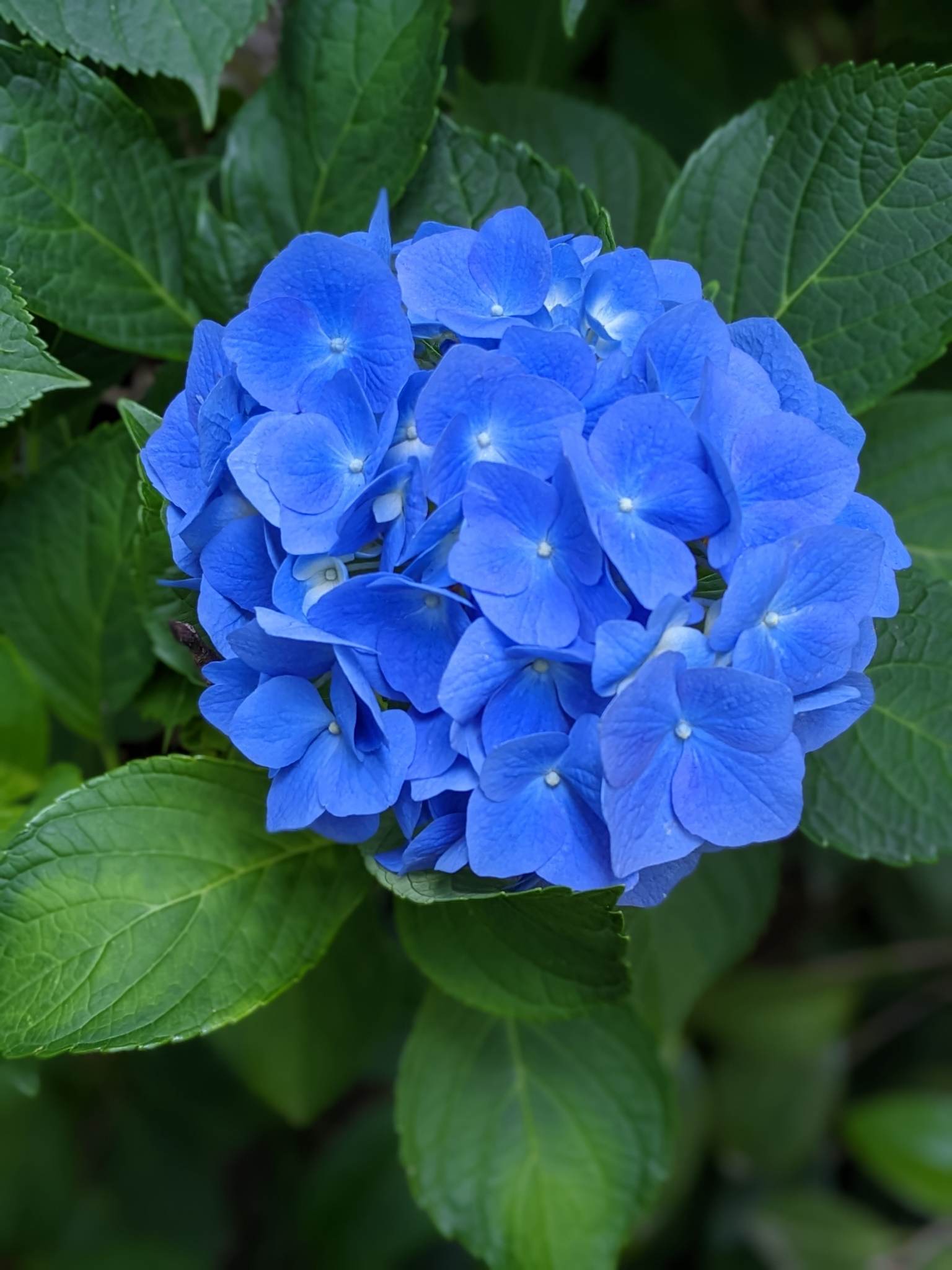
Out in the backyard.

blue hydrangea at home
Little bit of blue from home.

Useful Links for Synonyms at Thesaurus.com:

POP

Blue

To know how many syllables in a particular word try HowManySyllables.com.


How to Write Haiku in English. And how to do a Pingback.

The Guidelines:

  1. Take the two words and write a Haiku. I use Haiku in English (the link shows you how) as my style, which is 5 syllables for the first line, 7 for the second, and 5 for the third, but you can use what you like.
    • The link above has links on how to write Haibun and Tanka. You can also do the 3/5/3 form if you like instead of the 5/7/5 that I usually use. Write, share, and have fun. For syllable help,
    • For syllables for each word, and different definitions, you use the definition that works for you Haiku. You can also use SYNONYMS. Go to Thesaurus.com for synonym help.
  2. Copy the link of your finished haiku URL and paste in a comment below so we can all go and visit your Haiku.
    • You can do a pingback. What’s a pingback? Place the URL from the address bar up top from this post as a link within your post. Your inclusion of the link encourages others to try the challenge, be creative, and join a community to find friends and more followers (hopefully). I honestly gain nothing with more people visiting the post. I don’t have ads running that generates revenue by your visit or by clicks on whatever WordPress has put up.
    • Click HERE for a detailed post on PINGBACKS.
  3. If you like, copy the image in this post and place it within their post, just to show the Haiku is part of this challenge.
      • I am not saying you need or even should, but if you would like to do so then go ahead.


Enter your email address to subscribe to this blog and receive notifications of new posts by email.

Haiku Challenge

Ronovan Writes SIJO Wednesday Poetry Challenge #64. Use COMPLETION as your inspiration this week.

“You don’t know reality until someone makes fiction of it. Reality needs the completion of fiction.” Tony Wilson


Thesaurus.com

Merriam-Webster.com

Use the above links to discover the various interpretations of the word of the week. Don’t limit yourself to the first one that comes to mind. Expand your thinking.


A new form of poetry for us to try. Yes, the Décima Challenge has come to an end after 100 weeks.

Now we have the Sijo, a Korean form believed to have first been used in the fourteenth century. It is similar in structure to various Japanese forms such as Haiku. As with many forms of poetry, the Sijo became a preferred poetry form of the yangban or ruling class as well as royalty. They were written in Chinese and were originally short songs set to music. The focus of the Sijo is usually nature and contemplation. We’ll try that to begin with.

You should use the word in the title of this post as your inspiration as either a theme of the Sijo or in the poem itself.

There are:

  • Three Lines
  • 14-16 syllables per line
  • A total of 44-46 syllables for the entire poem.

To know how many syllables in a particular word try HowManySyllables.com.

  • The first line of the Sijo usually sets the theme.
  • The second line elaborates on the first line.
  • The third line brings the poem matter to a close.

The setting can be nature, a favorite season, or some event of your day. Something, as I mentioned above that can be contemplative in nature.

Within each of the three lines there is usually a pause. You can hear it in the example below. The bold sections are the parts after the pause, or at least as I read/hear them. Reading your Sijo out loud will help with using the correct form.

The following example is considered the oldest Sijo in existence,

The spring breeze melted snow on the hills then quickly disappeared.
I wish I could borrow it briefly to blow over my hair
And melt away the aging frost forming now about my ears.

If I’m counting right there are 15 syllables per line. I think that would be a good target but the pattern is up to you, as per the generally held thoughts on the matter.


As with all of the challenges that have been hosted here be sure to;

  1. Copy and past your URL into the comments below so other poets can visit and read your
  2. You can also put the link of this challenge in your post to let your followers know where to go if they want to participate. This is called a Pingback. This is not mandatory to join in or to put your post link in the comments. Click HERE to find out how to do a Pingback.
  3. Reblogging is great as well.

Enter your email address to subscribe to this blog and receive notifications of new posts by email.

Ronovan Writes Sijo Challenge Image

Enter your email address to subscribe to this blog and receive notifications of new posts by email.

Ronovan Writes #Weekly #Haiku #Poetry Prompt #Challenge 464 CREATURE and Happy.

Useful Links for Synonyms at Thesaurus.com:

HAPPY

Creature

To know how many syllables in a particular word try HowManySyllables.com.


How to Write Haiku in English. And how to do a Pingback.

The Guidelines:

  1. Take the two words and write a Haiku. I use Haiku in English (the link shows you how) as my style, which is 5 syllables for the first line, 7 for the second, and 5 for the third, but you can use what you like.
    • The link above has links on how to write Haibun and Tanka. You can also do the 3/5/3 form if you like instead of the 5/7/5 that I usually use. Write, share, and have fun. For syllable help,
    • For syllables for each word, and different definitions, you use the definition that works for you Haiku. You can also use SYNONYMS. Go to Thesaurus.com for synonym help.
  2. Copy the link of your finished haiku URL and paste in a comment below so we can all go and visit your Haiku.
    • You can do a pingback. What’s a pingback? Place the URL from the address bar up top from this post as a link within your post. Your inclusion of the link encourages others to try the challenge, be creative, and join a community to find friends and more followers (hopefully). I honestly gain nothing with more people visiting the post. I don’t have ads running that generates revenue by your visit or by clicks on whatever WordPress has put up.
    • Click HERE for a detailed post on PINGBACKS.
  3. If you like, copy the image in this post and place it within their post, just to show the Haiku is part of this challenge.
      • I am not saying you need or even should, but if you would like to do so then go ahead.


Enter your email address to subscribe to this blog and receive notifications of new posts by email.

Haiku Challenge

Ronovan Writes SIJO Wednesday Poetry Challenge #63. Use PET as your inspiration this week.

“He who is cruel to animals becomes hard also in his dealings with men. We can judge the heart of a man by his treatment of animals.” Immanuel Kant


Thesaurus.com

Merriam-Webster.com

Use the above links to discover the various interpretations of the word of the week. Don’t limit yourself to the first one that comes to mind. Expand your thinking.


A new form of poetry for us to try. Yes, the Décima Challenge has come to an end after 100 weeks.

Now we have the Sijo, a Korean form believed to have first been used in the fourteenth century. It is similar in structure to various Japanese forms such as Haiku. As with many forms of poetry, the Sijo became a preferred poetry form of the yangban or ruling class as well as royalty. They were written in Chinese and were originally short songs set to music. The focus of the Sijo is usually nature and contemplation. We’ll try that to begin with.

You should use the word in the title of this post as your inspiration as either a theme of the Sijo or in the poem itself.

There are:

  • Three Lines
  • 14-16 syllables per line
  • A total of 44-46 syllables for the entire poem.

To know how many syllables in a particular word try HowManySyllables.com.

  • The first line of the Sijo usually sets the theme.
  • The second line elaborates on the first line.
  • The third line brings the poem matter to a close.

The setting can be nature, a favorite season, or some event of your day. Something, as I mentioned above that can be contemplative in nature.

Within each of the three lines there is usually a pause. You can hear it in the example below. The bold sections are the parts after the pause, or at least as I read/hear them. Reading your Sijo out loud will help with using the correct form.

The following example is considered the oldest Sijo in existence,

The spring breeze melted snow on the hills then quickly disappeared.
I wish I could borrow it briefly to blow over my hair
And melt away the aging frost forming now about my ears.

If I’m counting right there are 15 syllables per line. I think that would be a good target but the pattern is up to you, as per the generally held thoughts on the matter.


As with all of the challenges that have been hosted here be sure to;

  1. Copy and past your URL into the comments below so other poets can visit and read your
  2. You can also put the link of this challenge in your post to let your followers know where to go if they want to participate. This is called a Pingback. This is not mandatory to join in or to put your post link in the comments. Click HERE to find out how to do a Pingback.
  3. Reblogging is great as well.

Enter your email address to subscribe to this blog and receive notifications of new posts by email.

Ronovan Writes Sijo Challenge Image

Enter your email address to subscribe to this blog and receive notifications of new posts by email.

Ronovan Writes #Weekly #Haiku #Poetry Prompt #Challenge 463 CHILD and Grow.

Useful Links for Synonyms at Thesaurus.com:

CHILD

Grow

To know how many syllables in a particular word try HowManySyllables.com.


How to Write Haiku in English. And how to do a Pingback.

The Guidelines:

  1. Take the two words and write a Haiku. I use Haiku in English (the link shows you how) as my style, which is 5 syllables for the first line, 7 for the second, and 5 for the third, but you can use what you like.
    • The link above has links on how to write Haibun and Tanka. You can also do the 3/5/3 form if you like instead of the 5/7/5 that I usually use. Write, share, and have fun. For syllable help,
    • For syllables for each word, and different definitions, you use the definition that works for you Haiku. You can also use SYNONYMS. Go to Thesaurus.com for synonym help.
  2. Copy the link of your finished haiku URL and paste in a comment below so we can all go and visit your Haiku.
    • You can do a pingback. What’s a pingback? Place the URL from the address bar up top from this post as a link within your post. Your inclusion of the link encourages others to try the challenge, be creative, and join a community to find friends and more followers (hopefully). I honestly gain nothing with more people visiting the post. I don’t have ads running that generates revenue by your visit or by clicks on whatever WordPress has put up.
    • Click HERE for a detailed post on PINGBACKS.
  3. If you like, copy the image in this post and place it within their post, just to show the Haiku is part of this challenge.
      • I am not saying you need or even should, but if you would like to do so then go ahead.


Enter your email address to subscribe to this blog and receive notifications of new posts by email.

Haiku Challenge